Sustainability
We are Green Key certified, which means somebody outside this building has checked the claims below. Here is what that covers, and the part of it that is yours rather than ours.
A city hotel, on purpose
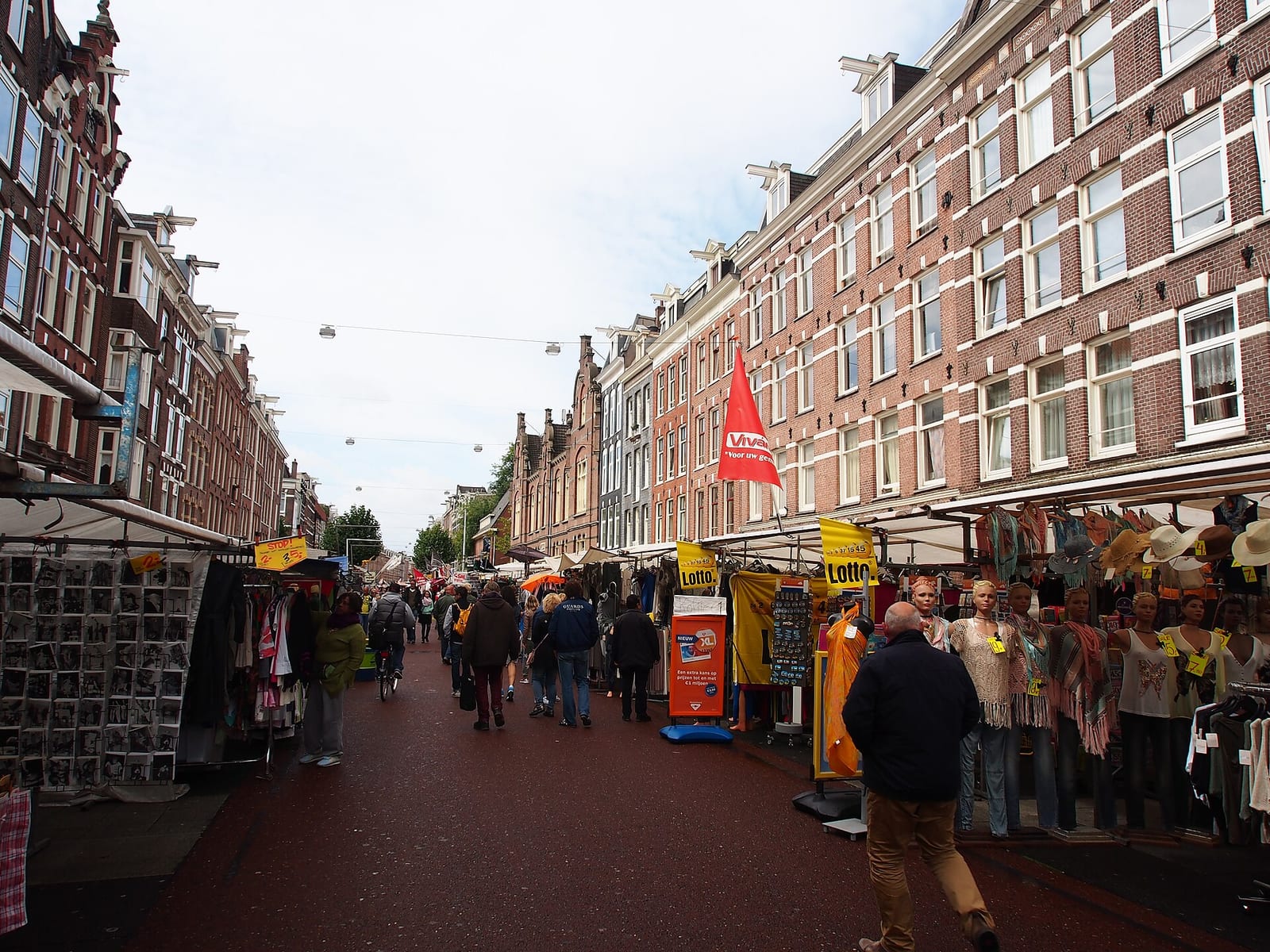
The greenest thing about a stay here is where it is. The Albert Cuypmarkt is around the corner, the Museumplein is five minutes away on the tram, and the historic centre about a quarter of an hour on foot. Almost nothing a guest comes to Amsterdam for needs a car, and we would rather point you at a tram stop than a car park.
That is not a small point dressed up as a large one. Most of what a city break costs the world is travel, and most of that travel happens at either end of it. A hotel within walking distance of the things you came for takes those journeys out of the week entirely, which is worth more than anything we can do with the lightbulbs.
What the certification covers
Green Key is not a badge you buy. It is awarded against a list of criteria covering energy, water, waste, cleaning, purchasing and the way a building is run day to day, and it is checked rather than taken on trust. Keeping it means being able to show the workings, not just the intention.
We would rather point at that than write our own scorecard. Everything below is either something the certification looks at or something only you can do.
In the building
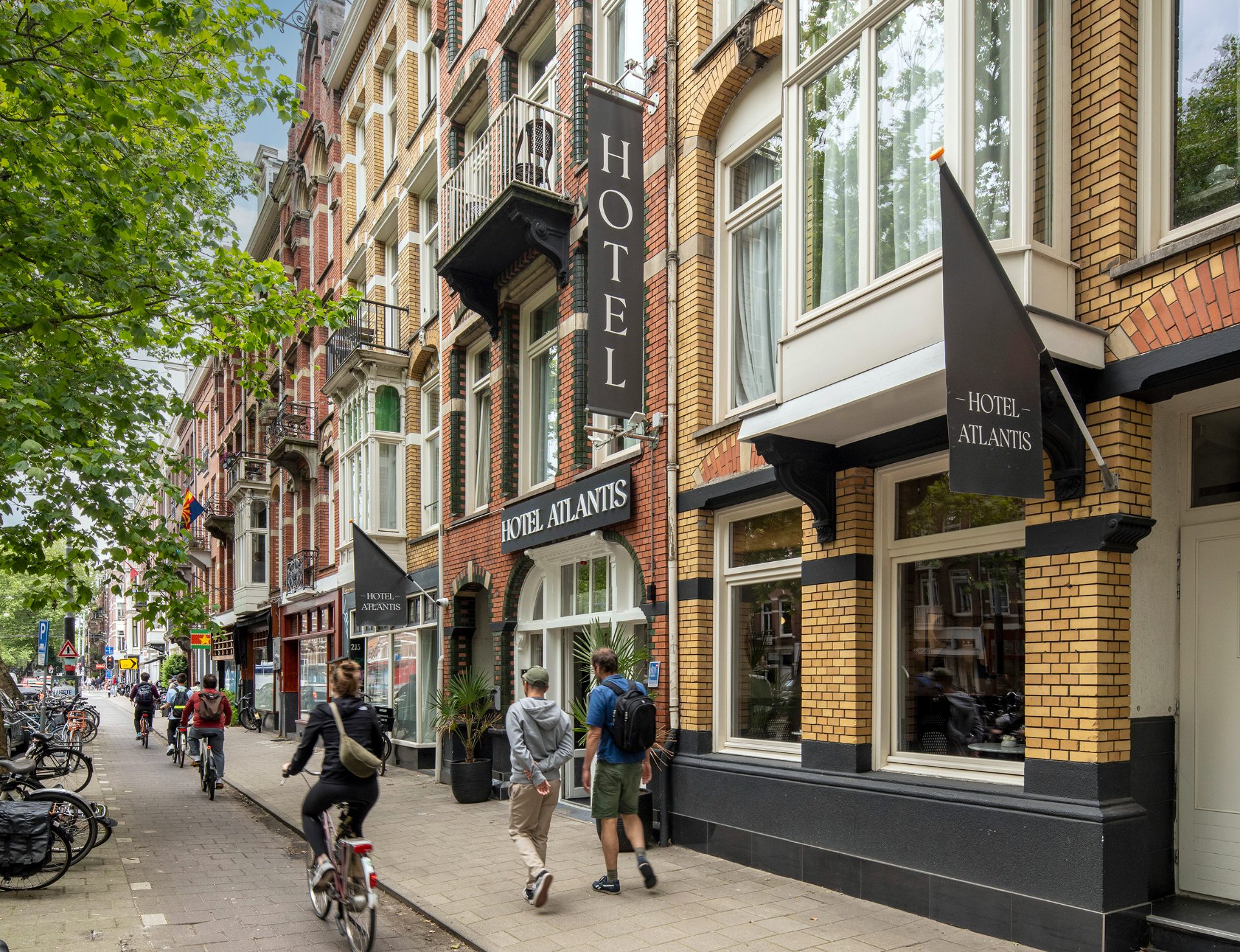
An old building on the Ceintuurbaan is not a new one, and we work with what it is. Lighting throughout is LED, in the rooms and in the corridors and stairwells that stay lit around the clock. The heating is zoned, so a floor with two guests on it is not warmed as though it were full.
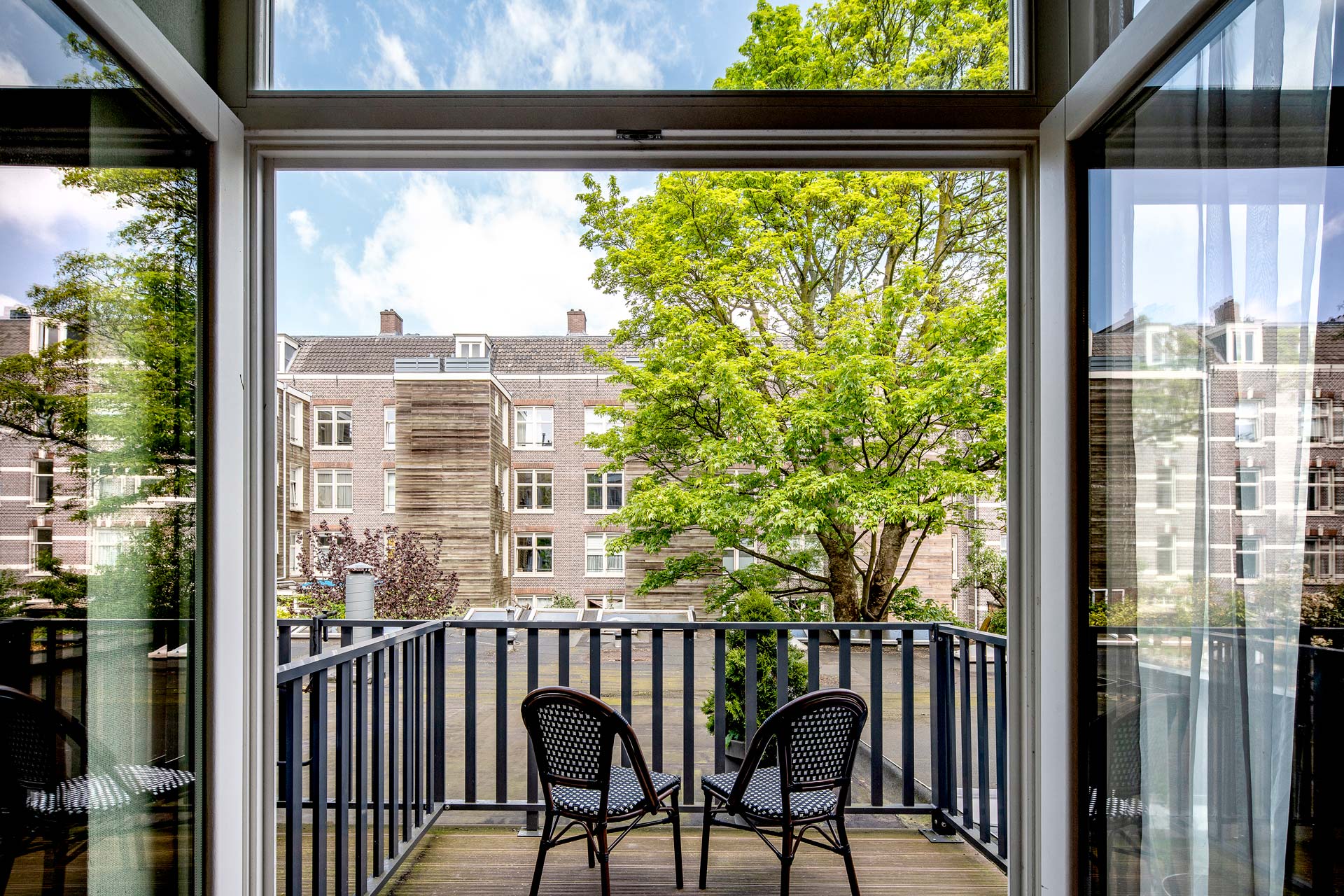
Old buildings have their compensations. The rooms are tall, the windows are generous, and for a good part of the year the plane trees along the Ceintuurbaan shade the front of the hotel, which keeps the rooms behind them cooler than the afternoon would suggest.
Housekeeping
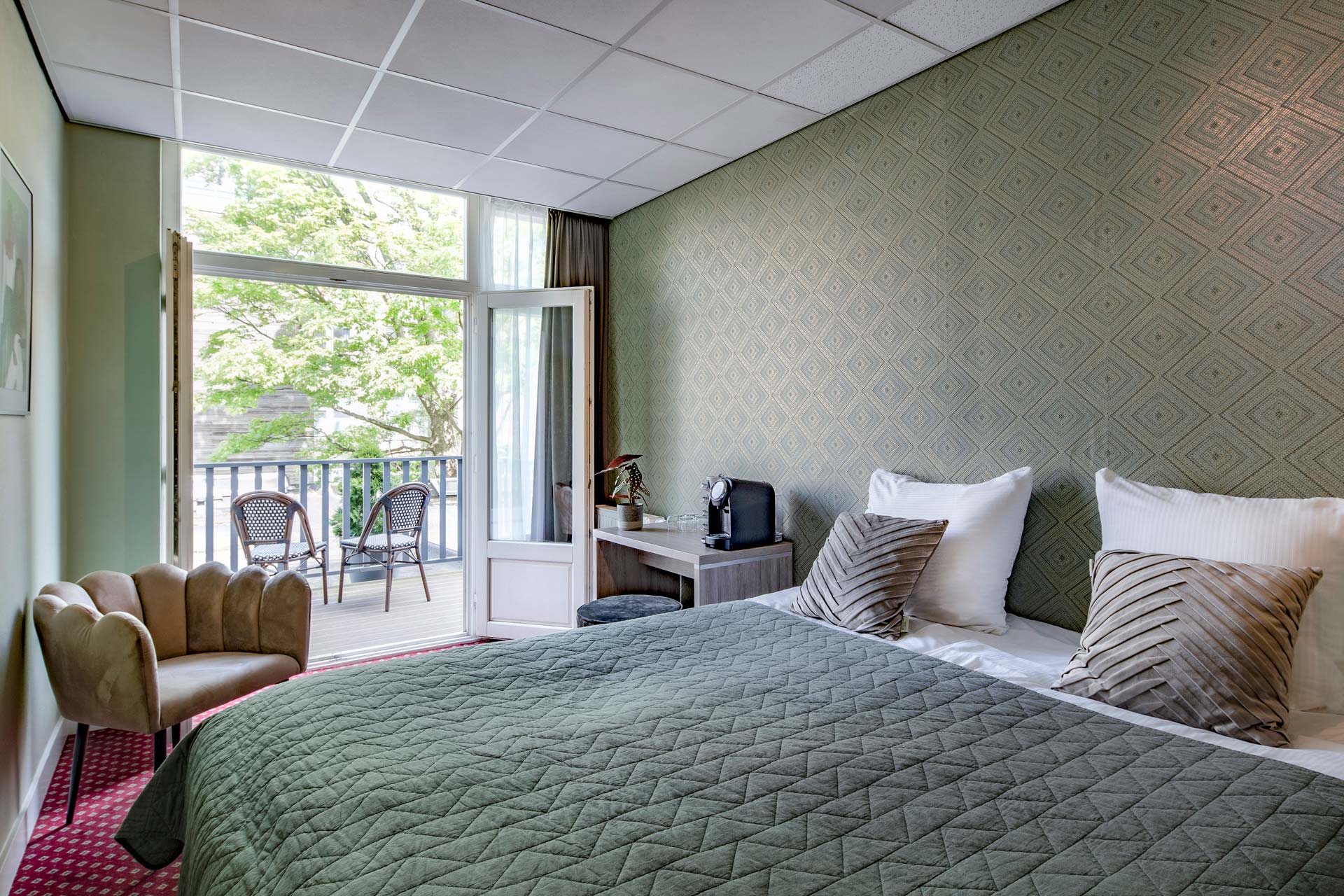
Rooms are not made up with fresh linen every day as standard. Leave the card on the bed and we will change it; leave it where it is and we will not. Most stays here are two or three nights, and over a stay that short a daily change is a wash nobody asked for.
Towels work the same way: on the rail means it is staying, on the floor means it is going. Bathroom amenities are refillable rather than single-use miniatures, which removes a surprising quantity of small plastic from a building with this many bathrooms in it.
What we ask of guests
Separate your waste using the bins on each floor, and tell us if something is dripping, running or stuck on. A tap left running overnight in a building this size undoes a good deal of the rest of this page.
Reception would far rather hear about a window that will not shut or a radiator that will not turn down than find it at the end of the season. It is the fastest thing on this page to put right and the easiest one to miss.
Getting around without a car
De Pijp is flat and compact and built for walking, which covers most of a stay. Tram 24 stops on the Ceintuurbaan and runs straight up through the centre, and the Museumplein is five minutes in the other direction. Reception can arrange a bike whenever you want one, and will tell you which way to ride out of the neighbourhood.
Coming from Schiphol, the train to Amsterdam Zuid takes about ten minutes and tram 24 does the rest, half an hour door to door. There is no leg of the journey here that needs a taxi, and we will happily talk you out of one.